All Categories
Featured


Best Path to Refurbish Dull Floors for Sellers
Table of Contents
Utilize a manufacturer-approved cleaner when the flooring needs a deeper cleaning. Eliminating dirt before it grinds into the surface assists protect the flooring with less work.
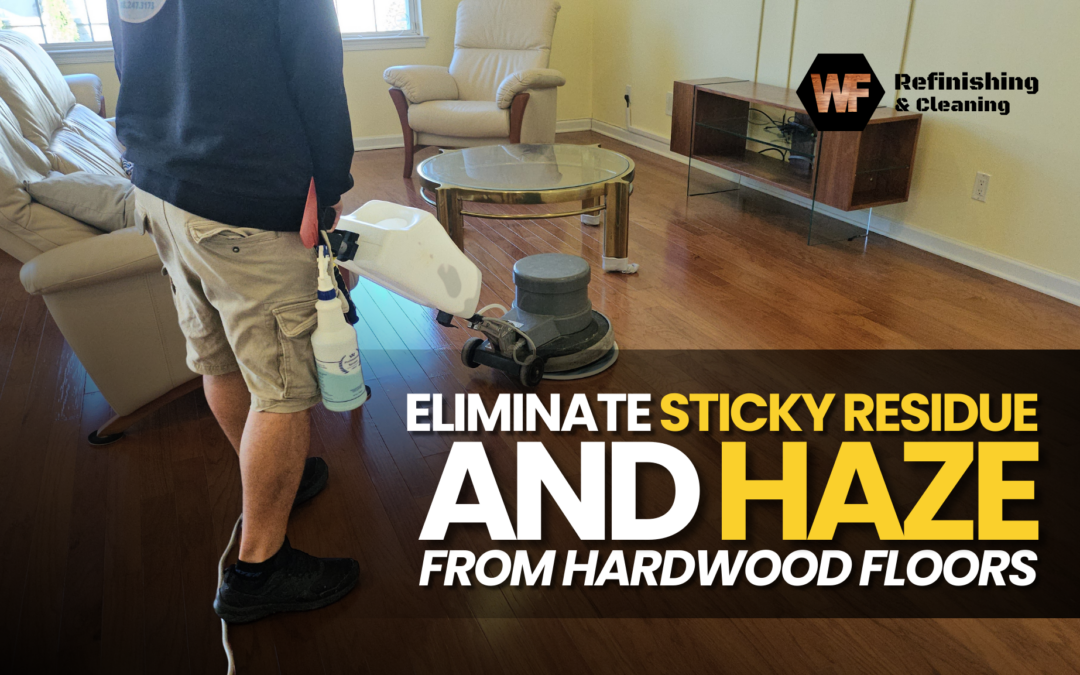
Strong hardwood, engineered wood and wood-look items have various care requirements. Even two wood floors can need different products since their finishes aren't the very same.
Apply the item as directed instead of presuming a more powerful concentration will clean much better. Excessive cleaner can leave residue that makes the surface look cloudy or attracts more dirt. Be careful with homemade cleansing mixes. Ingredients that appear moderate can impact a finish over time. Vinegar is acidic, oil-based items can leave residue and abrasive powders can scratch the surface.
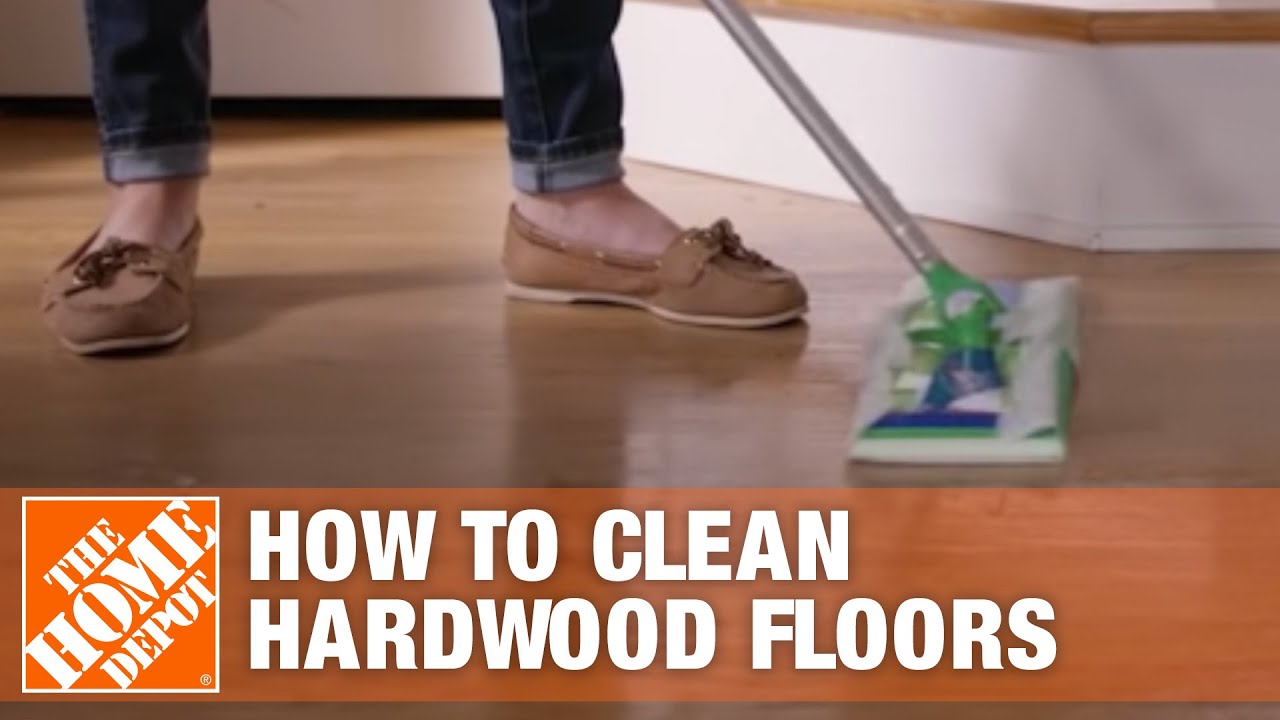
Check any approved cleaner in a little, unnoticeable location initially if you doubt about how the surface will react. Water and wood floor covering do not blend well when moisture is permitted to sit. Excess water can go into seams, affect the surface or add to swelling and staining. Use a gently moistened mop rather than a soaking-wet one.
Regional Property Preparation Tips for 2026
Avoid using bleach, ammonia, abrasive scrubbers or other extreme items unless the flooring manufacturer specifically authorizes them. Steam presents heat and wetness into the flooring, consisting of along joints and seams.
Preventive care reduces the amount of cleansing and repair a wood floor needs. Location mats at entryways to catch grit before it reaches the floor.
Inspect the flooring manufacturer's assistance before choosing a carpet pad. Utilize a nonstaining pad recommended for the floor covering.
Best Path to Refurbish Dull Hardwood for 2026
Pads can use down or collect grit that scratches the floor when furnishings moves. Never drag heavy furnishings across hardwood. Lift it or utilize moving equipment created to safeguard the flooring. Spills are much easier to manage before they spread out or soak into joints. Blot the liquid with a tidy, absorbent fabric instead of rubbing it across a bigger area.
Dry the area entirely when completed. Pay attention to spills near plank seams, along walls and underneath cabinets or home appliances. Wetness can gather in locations that aren't right away visible. Sticky or dried spills may take more than one mild cleansing. Resist the desire to scrape the floor with a sharp tool or use a stronger chemical.
If a spill leaves swelling, dark discoloration or a consistent smell, call a floor covering specialist. Surface cleansing might not address wetness that has reached the wood or subfloor. Regular cleaning is also an opportunity to examine the floor. Try to find changes in areas that get direct sunlight, frequent foot traffic or duplicated furnishings motion.
Carpet Cleaning Frequency GuideDeep scratches that expose bare wood need more attention because the protective layer has actually been broken. Sunlight can likewise alter the color of wood over time. Window coverings might help in reducing direct exposure. Moving rugs and furnishings sometimes can encourage more even color changes, however owners ought to follow maker assistance before putting or relocating floor coverings.
Regular care can protect wood, but it can't correct every problem. A floor covering professional must evaluate widespread surface loss, deep scratches, water damage, loose boards or considerable staining.
Professional Carpet Preservation Tips for Sellers
Some floors can be evaluated and recoated to refresh the protective finish. Engineered wood can have limits on how much sanding it can tolerate, depending on the thickness of its real-wood wear layer.
Carpet Cleaning Frequency GuideDon't wait until exposed wood or wetness damage spreads. Earlier assessment typically offers the floor covering professional more repair work alternatives. The most effective wood floor care isn't complicated. Eliminate dirt before it scratches the surface, use approved cleansing items, limitation moisture and address spills or noticeable wear promptly. Always start with the flooring maker's specific care instructions.

Latest Posts

Bells Home Fabric Service Best Practices

Advanced Upholstery Steam Sanitizing for 2026 Homes

Professional Area Rug Maintenance Secrets